Sessions
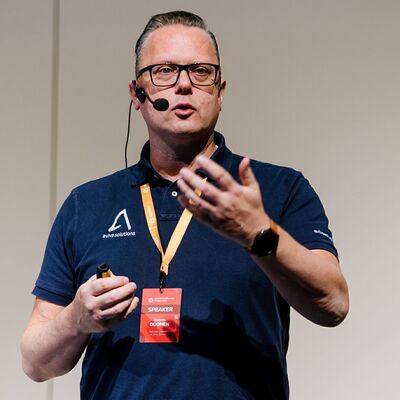
Sessions by Dennis Doomen
The impact and relevance of code reviews on software quality
Nobody writes perfect code, not even an AI. Yes, the code may do exactly what you had in mind and all your automated tests succeed, but it may still not be the right solution. Maybe you lost track of the big picture and ended up in a rabbit hole. Maybe refactorings and real functional changes got mixed up obscuring the history and making it harder for the next developer. Maybe your tests are not properly scoped, making it extremely painful to refactor the codebase in the future. And maybe you were a bit overzealous with those abstractions. And those are just a few examples of why professional software developers still need to do thorough peer reviews. And to help you with that, I'll use this talk to not only give you more reasons for scrutinizing your colleagues. I will also give you all the tools, tips and tricks that I use in both my professional client projects and my many open-source projects to make code reviews effective, worthwhile and fun. And yes, I will also show you how I use AI everywhere.
What I learned from modernizing a microservices architecture
During the last year or so I had to take the architectural ownership of an existing microservice architecture deployed on Azure. It was designed to serve as an integration platform between several backend systems, but evolved to become much more than that. As somebody with a lot of experience modernizing legacy code, I was surprised by many of its problems and how the team was suffering. In this talk, I like to share all the coding mistakes, design flaws, technical debt and pattern misuse I found, and how I addressed them gradually while training the team on the job